I Know A Spot
Trade a favourite spot for a new one. Leave a card, take a journey.
I Know A Spot—Point of exchange Project | Process
Our application encourages users to step outside their comfort zones and rediscover the world around them. Through a spot swap stand that works on card exchanges that are placed in a box and a digital website on the poster with a QR code with the same concept.
Skip Right To It
Design Brief
Type: University Project
Time: 2 Months
Team: 2 Partners
Create a point of exchange, digital or physical, where one must exchange an object, a feeling, or a place.
This project must bring people together unknowingly, also cater to the users' needs and ergonomics, and share a space in a location around the school (if digital, use a QR code).
The Idea
Users
Context forming
Adventure/Exploration
Making friends and gaining independence
Easy to understand
To explore the secrets spots of the city that you're based in
Barrier to Explore
Environmental Enrichment
Digital Detox
Routine Disruption
Goals for Problem
Reasons why a need for a application like “I Know A Spot” was founded on
Who are the users
Curious people / city explorers
People stuck in there routine
Friend groups
Varied age range (21-42)
What the user needs
Freedom to choice
easy to use
Accessible for all
Fun and engaging
Sustainable
Approachable feel
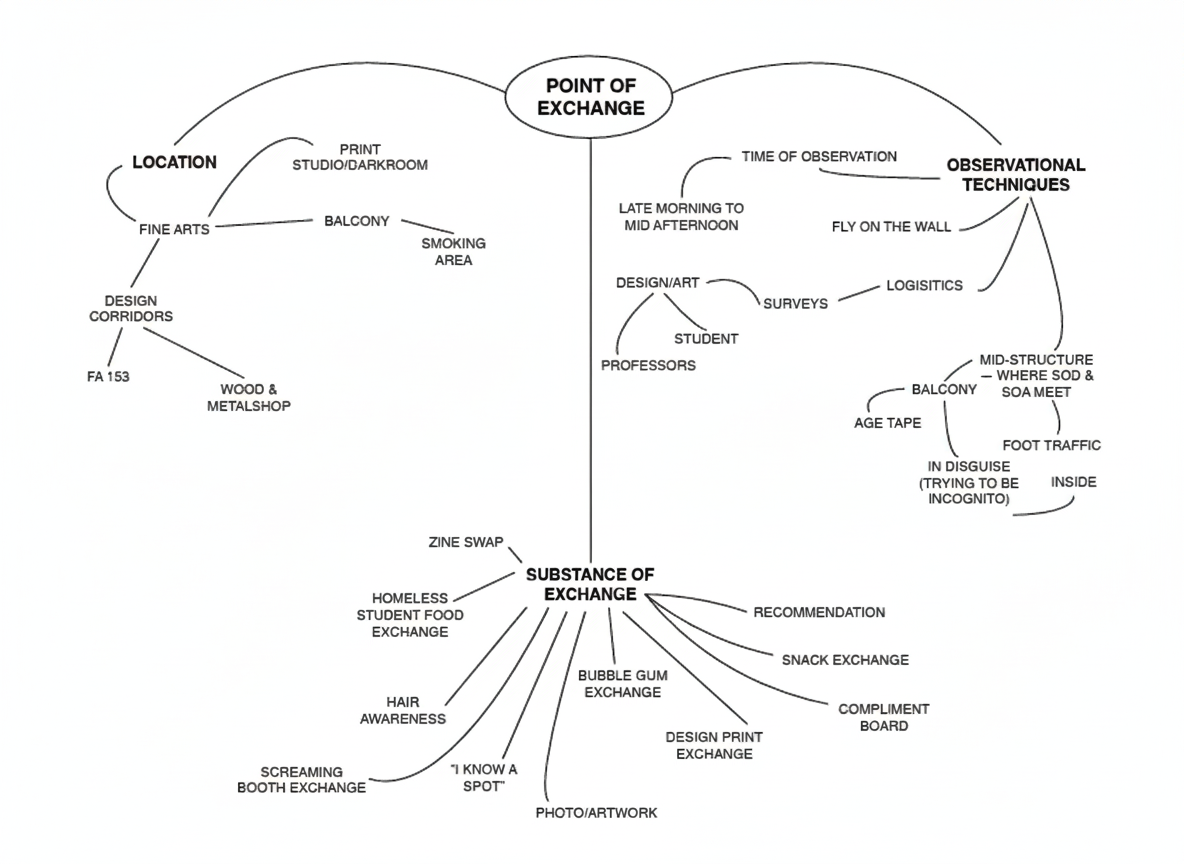
Idea Creation
While looking at the brief, my partner and I knew we wanted to create a location exchange, either digital or physical; we chose both. And with that in mind, we wanted it to be city-based for the first run.
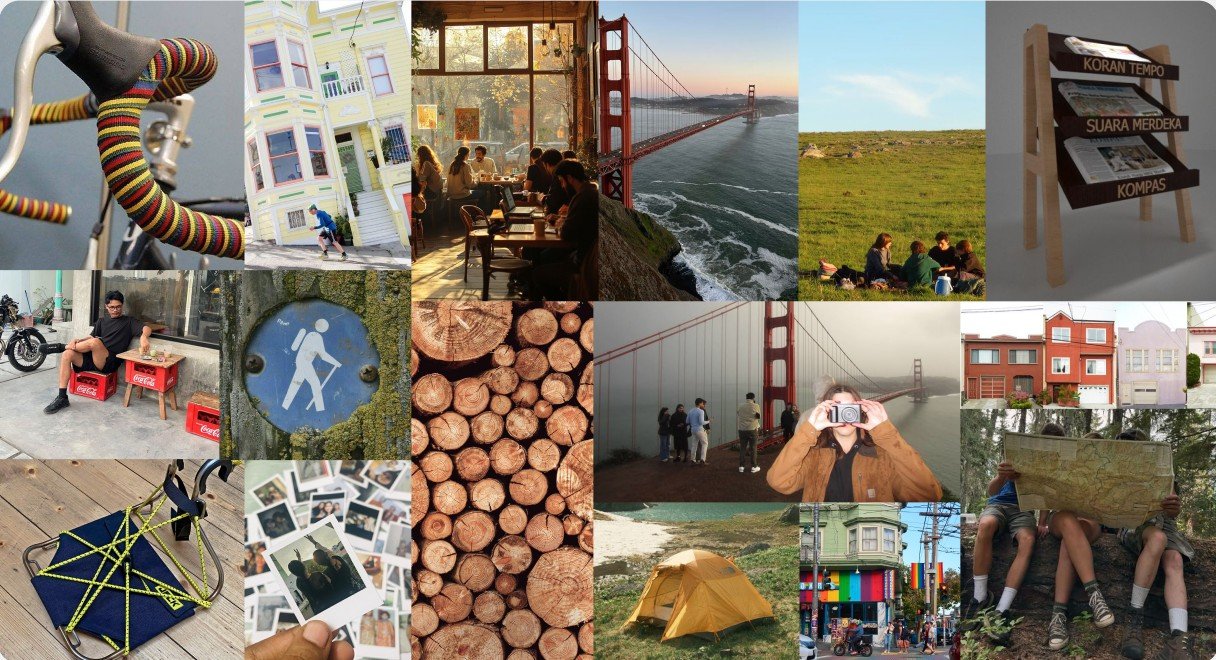
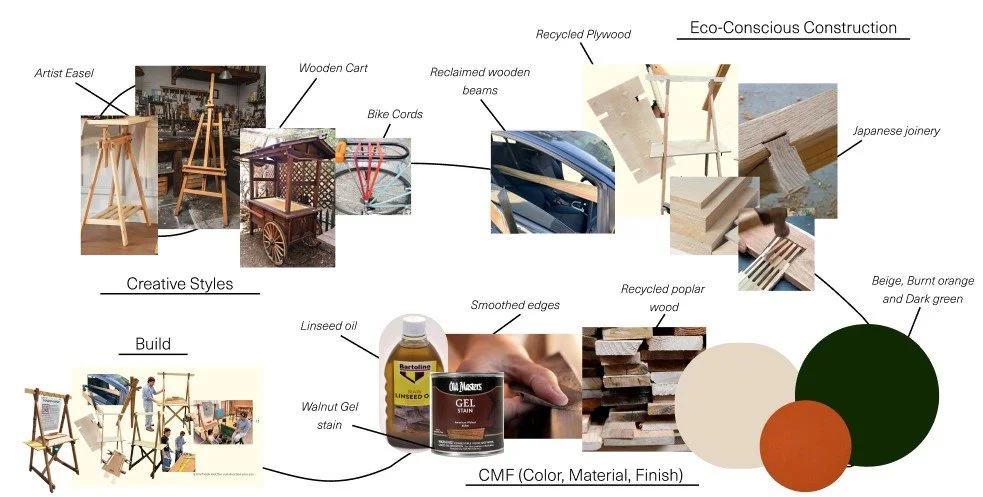
Mood Board
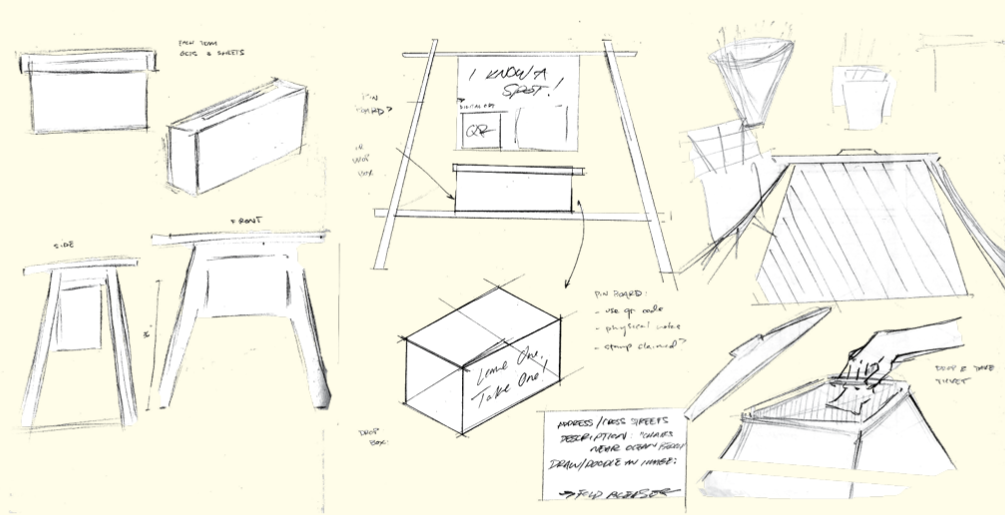
Ideations
Visual Story
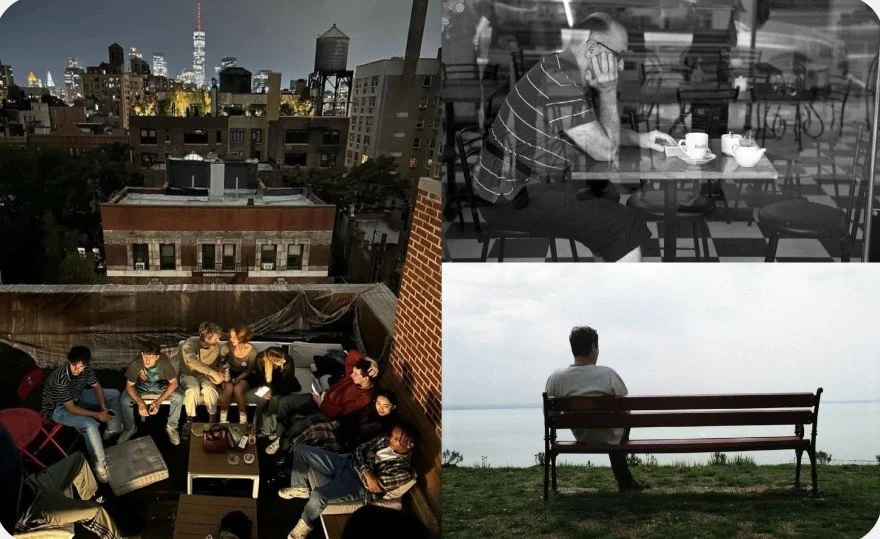
Our search for a type of exchange found that it should consist of nature and exploration with a natural feel; it should also be playful, interactive, and feel approachable. With our main goal, basing it in a city, we chose San Francisco due to its wide range of characters and curious people.
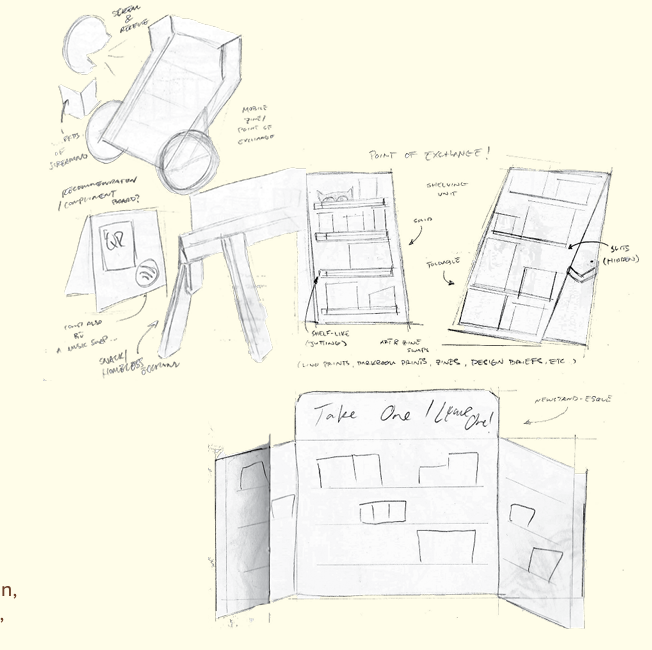
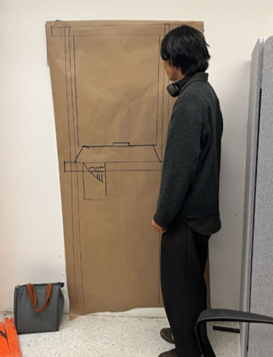
Prototypes and sketches
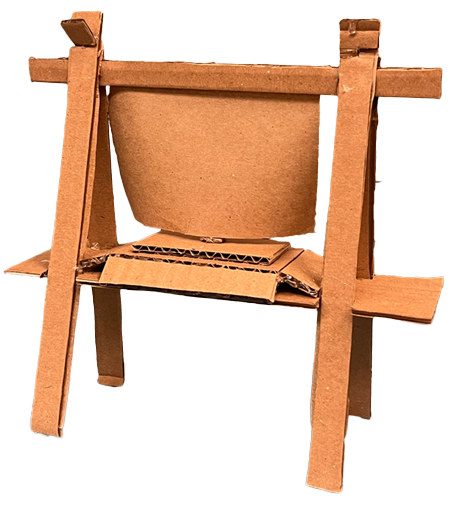
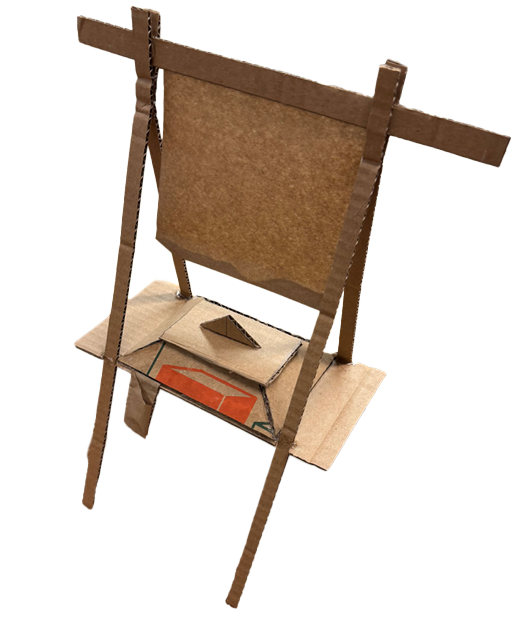
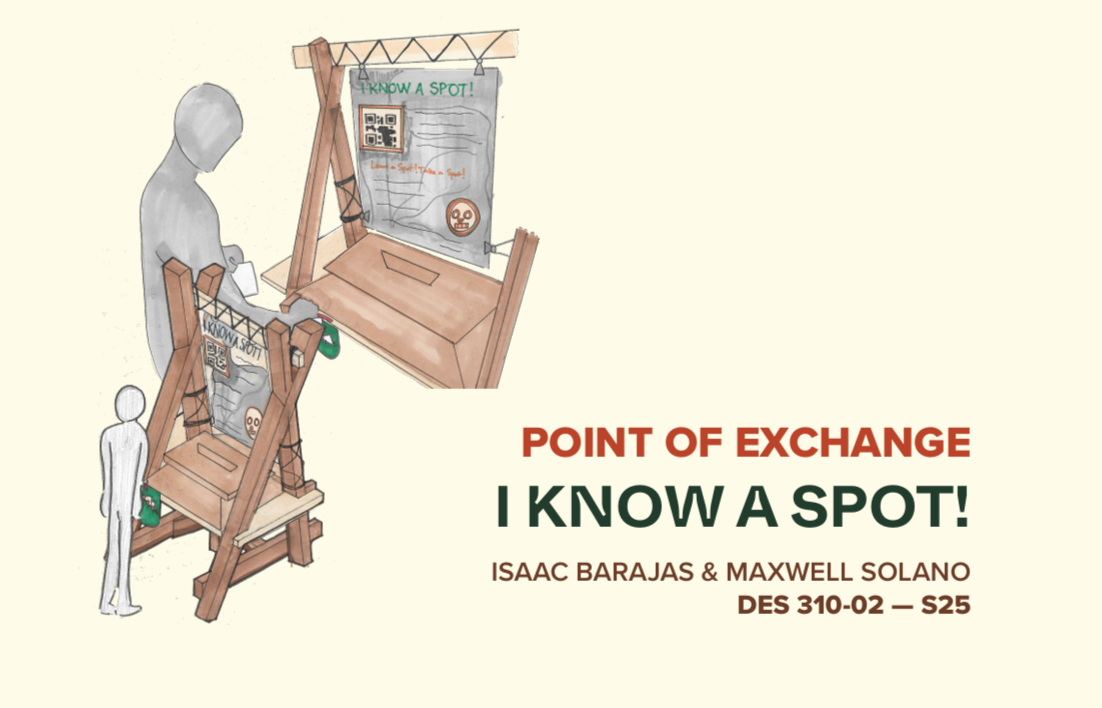
While creating multiple forms, we landed on a build similar to a newsstand and an artist’s easel. And here were some early cardboard prototype models. for reference.
Creation / Technical deep dive
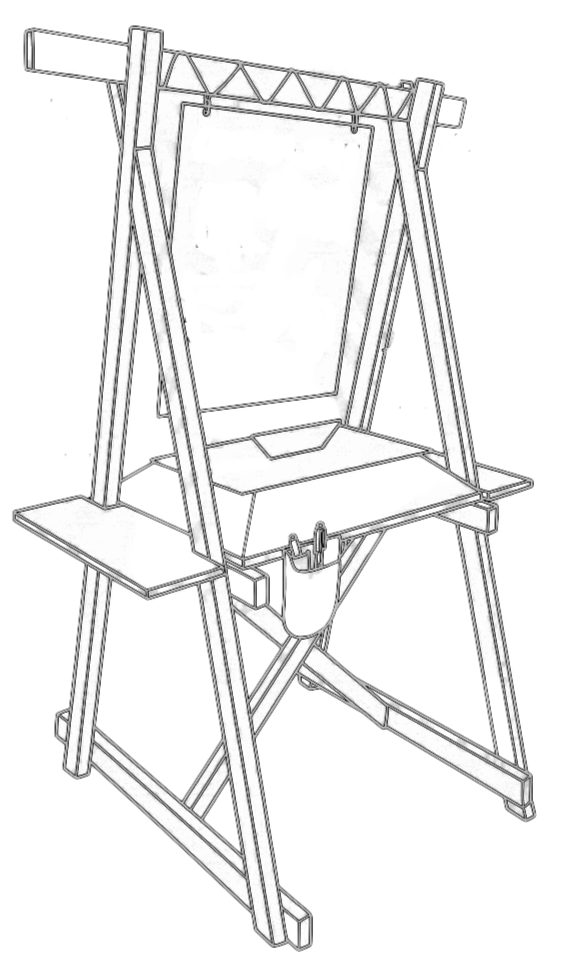
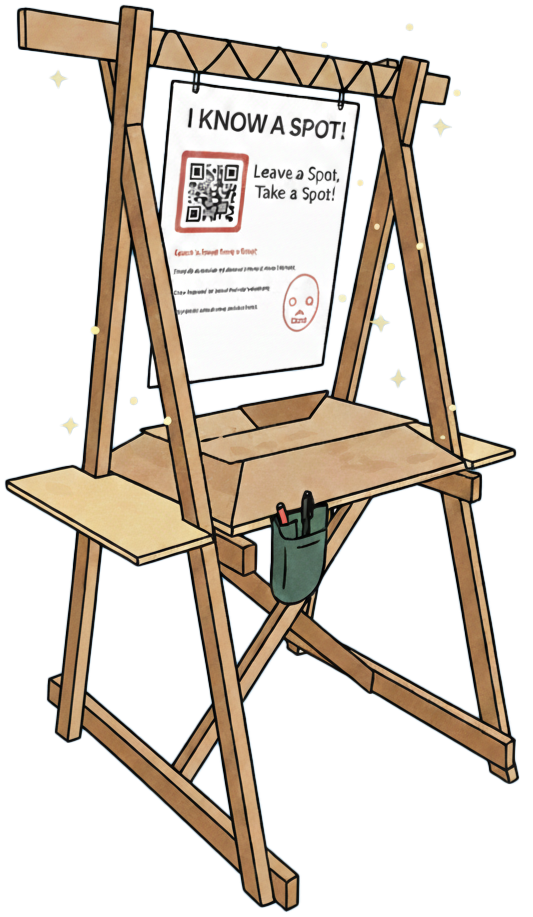
I know a spot. Stand qualities
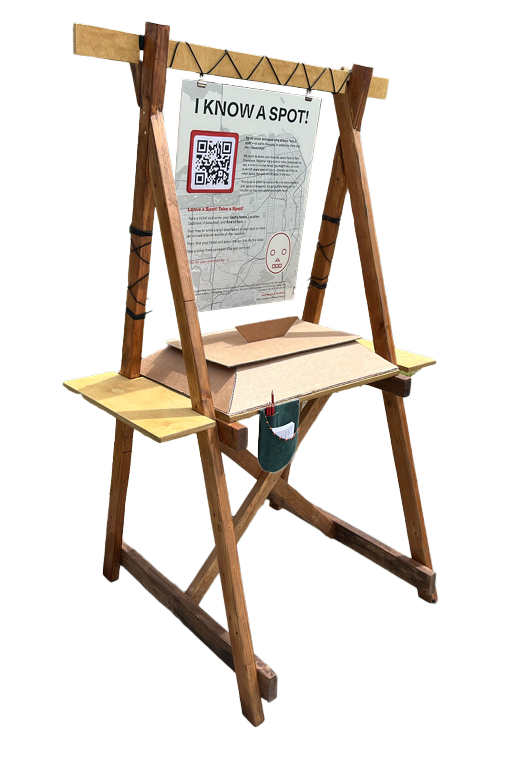
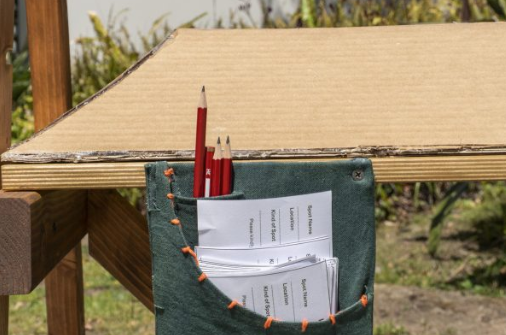
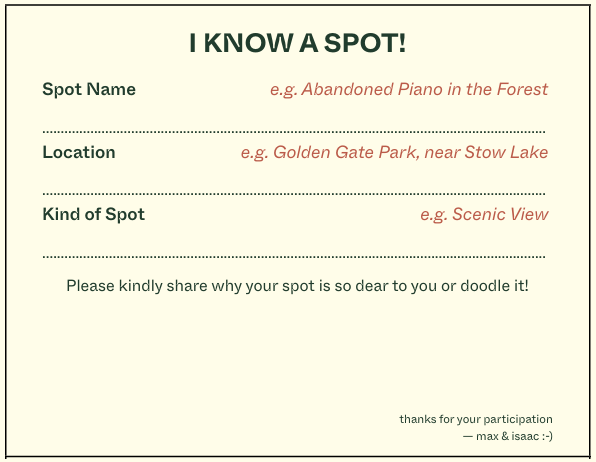
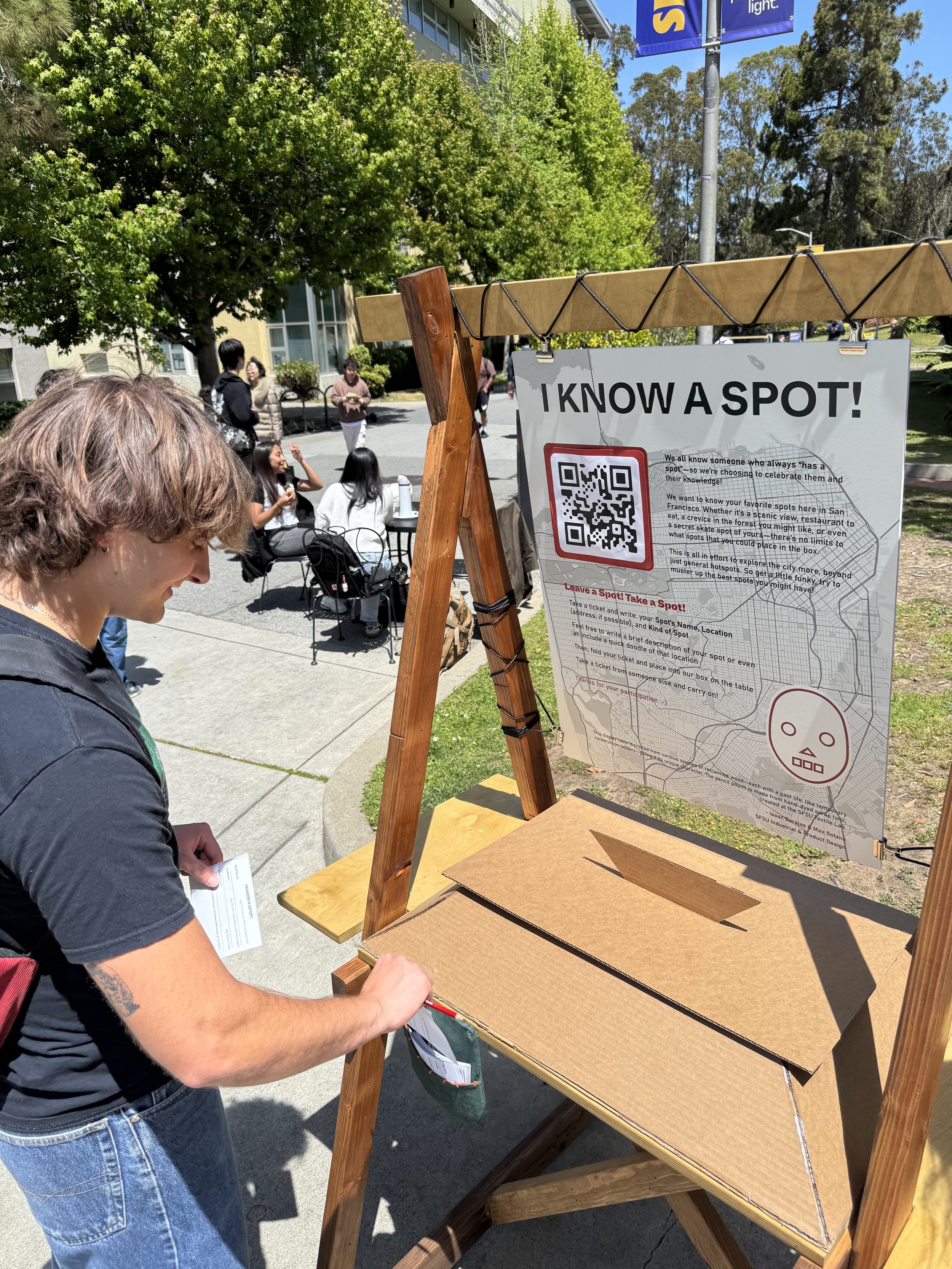
Designed with an organic, approachable feel, our physical swap stand invites you to slow down. Simply reach into the pouch, grab a pencil, and note down a place you love. Drop your card into the box, then reach in to discover someone else’s favorite spot. It’s a simple exchange that turns a local secret into your next great adventure.
Kigumi technique
For keeping the style, we did a Japanese art form carving out precise cuts with a chisel and glued them together
CMF & Environmental Impact
|
|
|
|
-————————————-
——————————
————————
—————————
——————————-
—————————
—————————————-
|
|
|
|
|
|
|
|
|
|
|
|
|
|
|
|
|
|
|
|
|
— - ————
bungee Cord
Sourced from recycled bike cords
Poster Board
Dimensions: 2’ x 2.5’ feet
1.5 mm thick foam board with poster printed on top
Builds Dimension
Person standing (max) ,
70 inches, for reference...
Roughly 6.5’ x 4’
feet, wooden structure
Cardboard Box
Constructed in a pyramid-type style with a lid that is held in place with wooden legs attached under it for stability
Cross Hatch
For the most stability of this structure, we decide to do a crosshatch using a circle saw machine for precise cuts.
Writing Desk
Made for accessibility for all, tailored for wheelchairs as well normal height, made from recycled plywood and stained with a linseed oil
Pouch Design
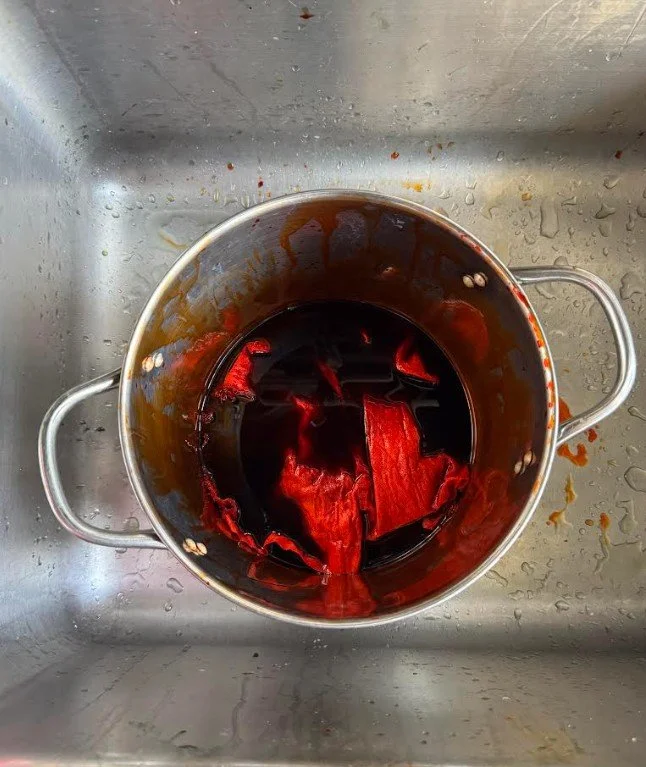
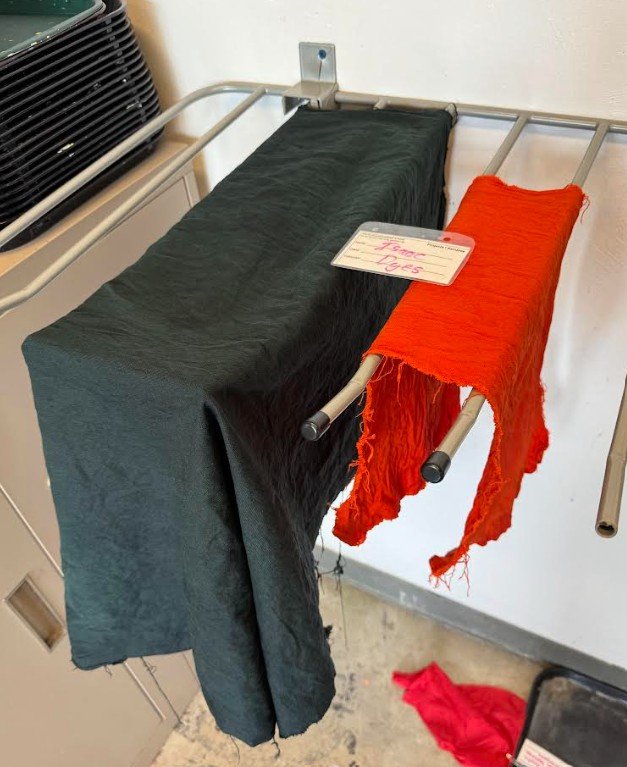
The fabric was 100% white cotton that was dyed to the precise color of a dark green, and i played with the design of the pouch and add a curve to the opening to see all the tools, pencils, and note cards, drop in, making it more approachable
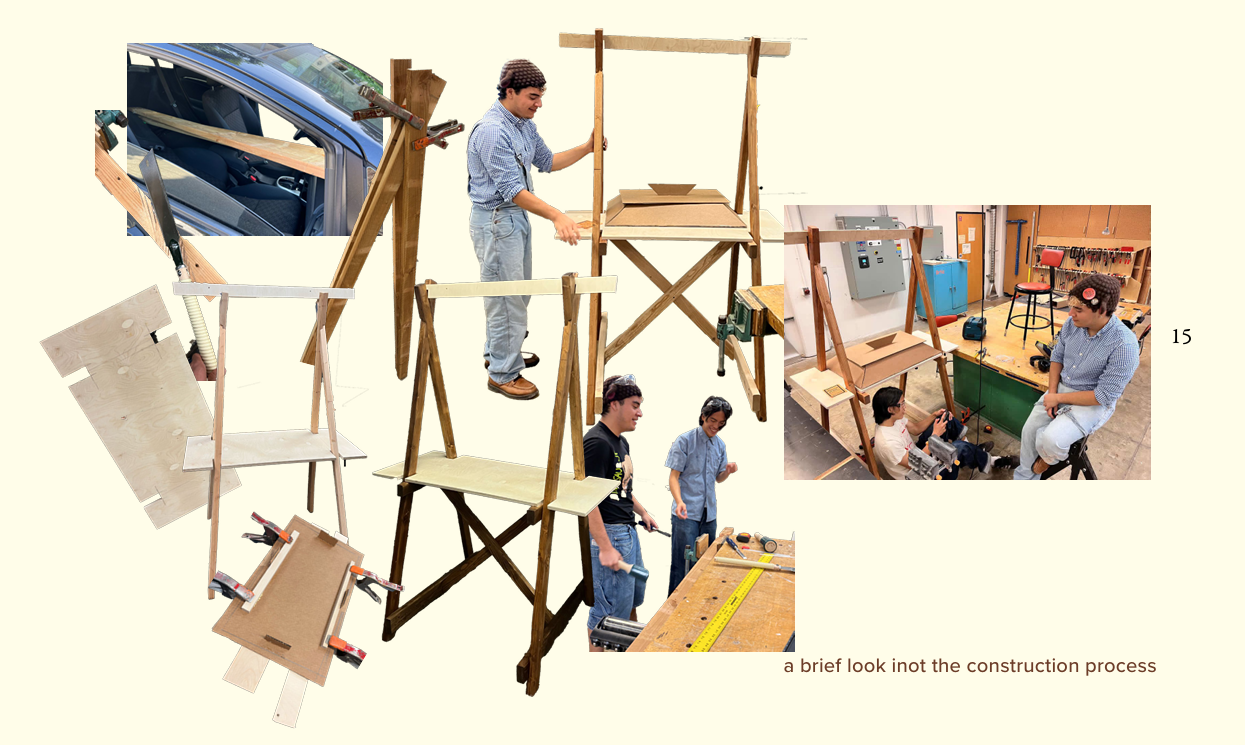
Build Process
Our material strategy focused on zero-waste sourcing: we salvaged large wooden beams and recycled plywood for the construction. When the geometry exceeded the capabilities of a jigsaw, we transitioned to chiselling to ensure fit and finish. The structure was reinforced using wood glue and nails, and we finalised the prototype by incorporating a cardboard box for the note cards."
Digital Application
Website Link: CLICK HERE
Share a Spot
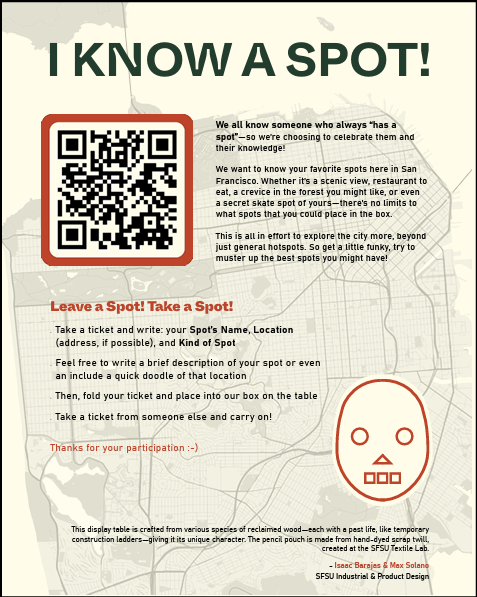
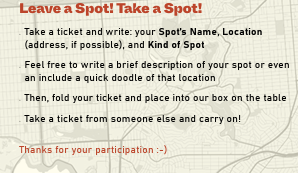
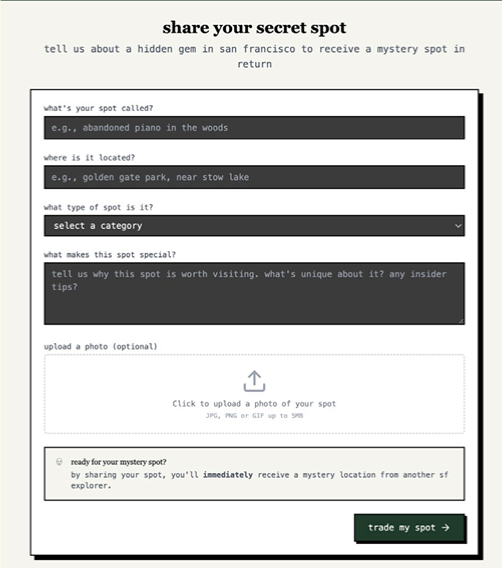
Also, when you click “Trade my spot," this is the first page you receive with a couple of questions to share your favorite spot. You also have the option to share an image. Also, the image right below is what is written on the poster for the physical exchange of locations.
Website Introduction
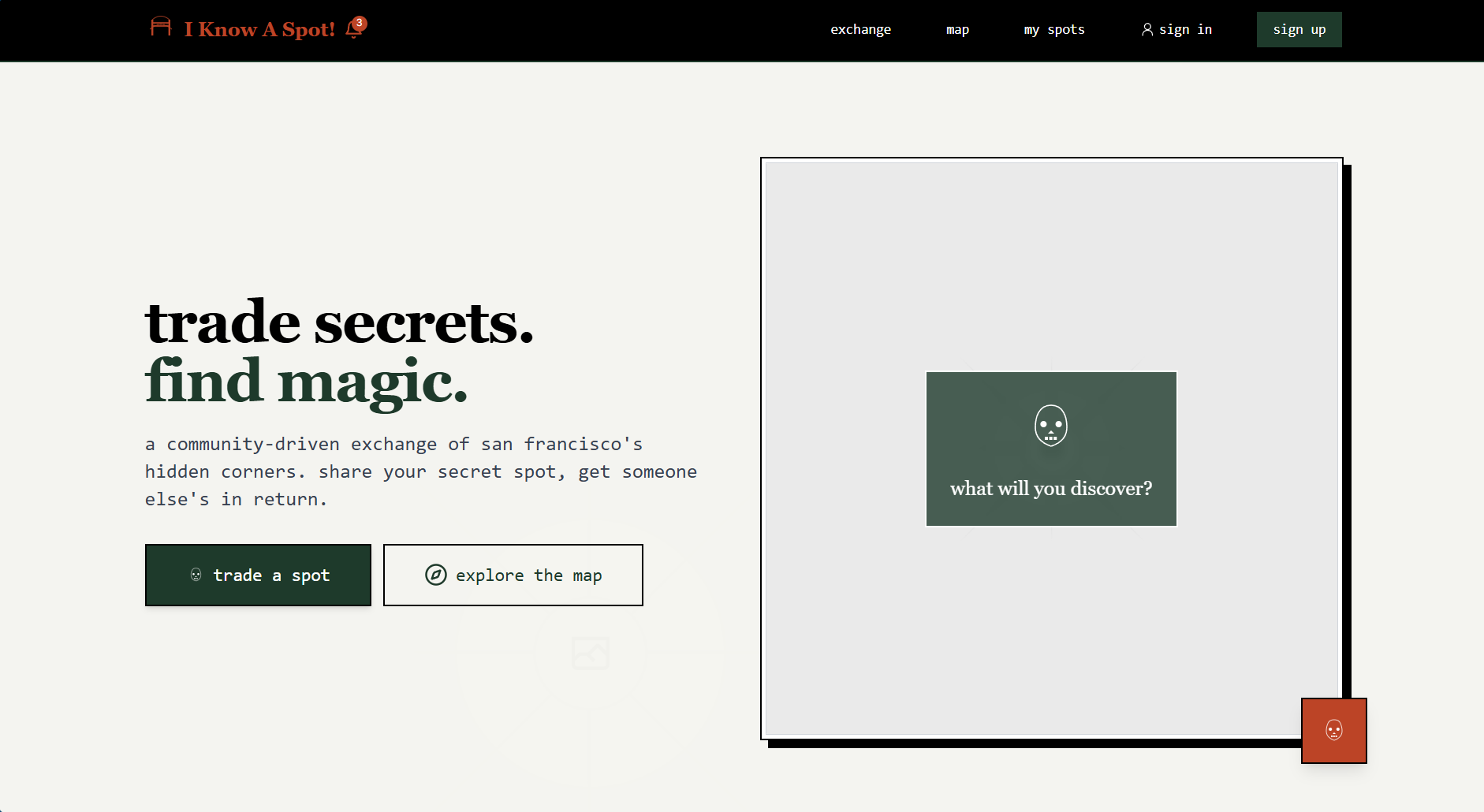
For the websites, this is the first page you see when you scan the QR code, allowing the user to see “Trade a spot” or “Explore Map” with preset locations as teasers to what the application is about.
Websites Tools
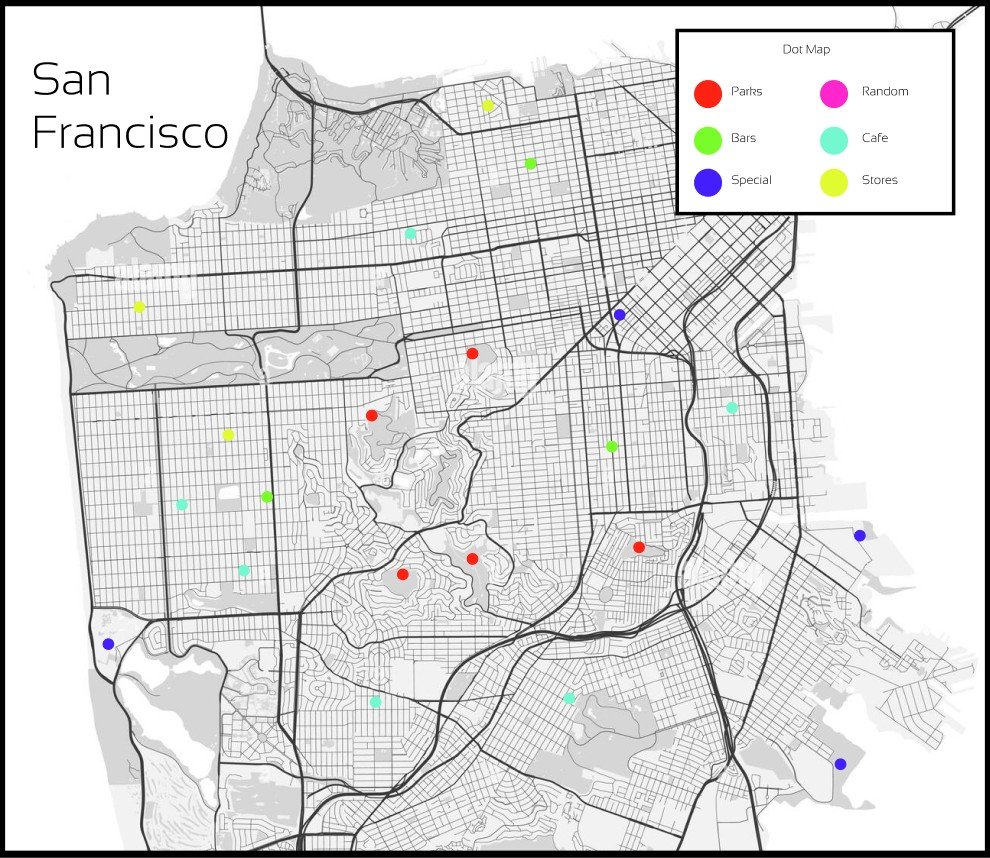
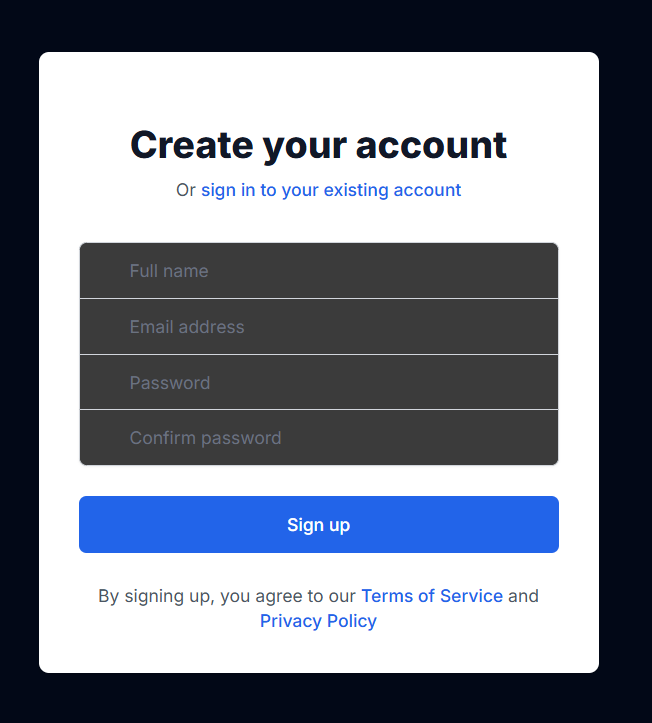
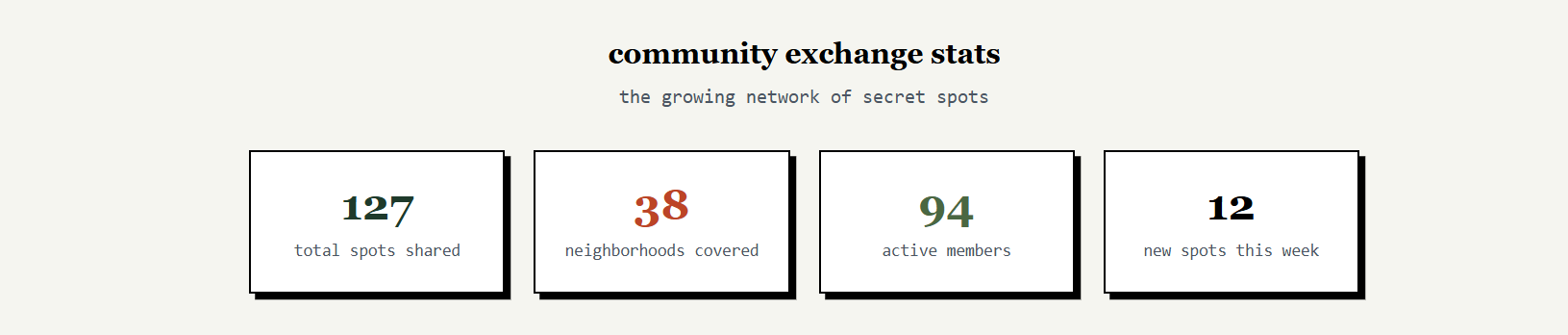
When you access the website, there is a map view table of trades you saved on the website and some random ones to explore. There is also a login access to track your location and review your traded ones
Final Outcome / User Evaluation
Reflections
Project Constraints
Creating a digital website that works
10-week time limit
Outdoor locations require durable materials.
Limited time for user testing (4 days).
Building the full-scale structure took significant time and labour.
What I learned
Observing the user, I found we ran out of paper cards due to the high volume of people
Approachable design helps to attract people.
Small design details can attract people to interact.
Prototyping helped to create the final design which we truly proud of
|
|
|
|
If I had more time, I would…
Test the installation for a longer period.
Simplify and clarify the instructions.
Improve how the collected spots are displayed.
Try the installation in different campus locations.
Refine the structure and graphics further.
User Feedback
Magazine Feature
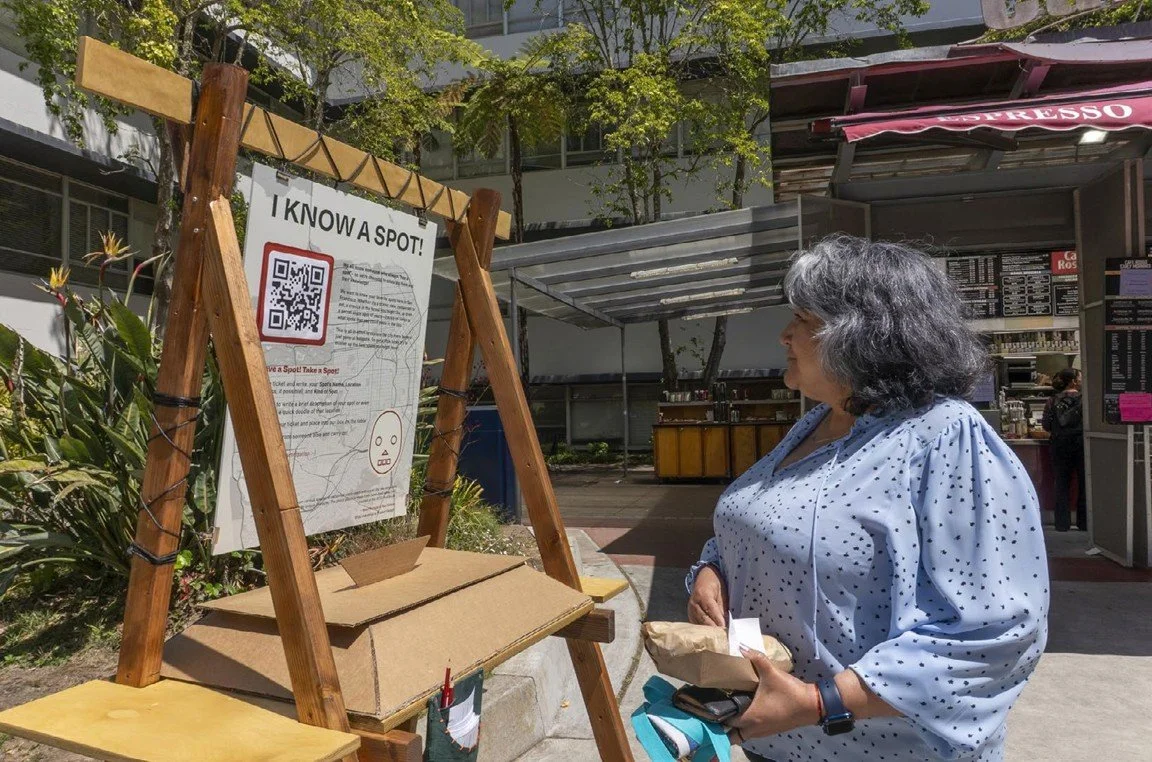
Many users were drawn to the structure as it was just out of the norm—noting that more people were interested in the smaller details of the design: paracord ties, hand-dyed pencil & ticket pouch, etc. We were surprised to see many people using “I Know A Spot”—it sat out by Cafe Rosso in San Francisco for 4 days and garnered over 200 physical and digital engagements.
We even had a write-up about us in the Golden Gate Express, SFSU’s student-run publication. That expressed interest in the structure due to popularity. Click HERE to read more about that.